High-volume lane discovery
Compare origin and destination markets, port pairs, and recurring shipment movement across priority trade lanes.
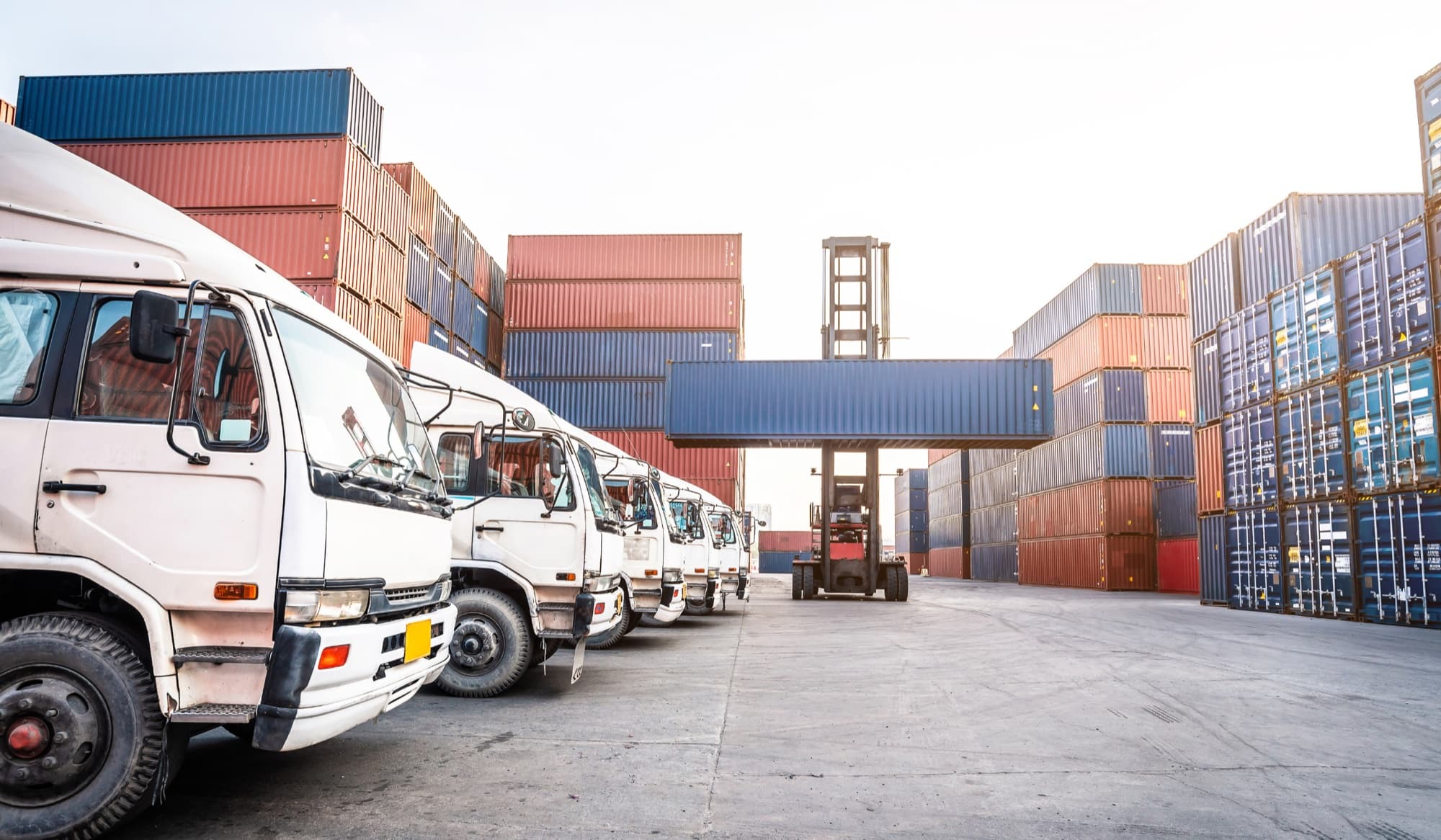
Find high-volume lanes, recurring shipper activity, and destination markets that point to stronger logistics and 3PL sales opportunities.

Move from broad account lists to shipment-backed logistics evidence: recurring companies, active trade lanes, cargo mix, shipment timing, route patterns, and commercial scale.
Use exporter and importer records to identify companies with consistent cargo movement and ongoing logistics demand.
Review shipment dates, HS codes, product descriptions, weights, package details, values, and port-pair movement.
Study origin countries, destination markets, ports, and repeat movement before prioritizing sales territories.
Compare origin and destination markets, port pairs, and recurring shipment movement across priority trade lanes.
Find exporters and importers with consistent shipment frequency and visible logistics demand.
Review HS codes, product descriptions, weights, and package details to understand the cargo moving on each lane.
Use shipment dates and repeat movement to distinguish active accounts from one-off opportunities.
Study loading ports, discharge ports, origin countries, and destination markets before planning outreach.
Use shipment value, weight, volume, and currency signals to prioritize commercially relevant opportunities.
Use trade data, shipper activity, port-pair movement, cargo details, and shipment frequency to decide which lanes and accounts deserve your team's attention.
Start with the countries, ports, cargo categories, or accounts your logistics team wants to grow.
Compare shippers, consignees, cargo descriptions, values, weights, dates, and recurring port movement.
Build prospect lists around proven trade lanes and companies that show visible, recurring logistics needs.

Teams can search shipment records by exporter, importer, product, HS code, country, port, or trade lane, then identify companies with recent and recurring cargo movement.
Yes. Logistics teams can compare origin and destination markets, ports of loading and discharge, shipment frequency, cargo categories, weights, values, and repeat movement across priority lanes.
Useful signals include exporter and importer names, shipment dates, HS codes, cargo descriptions, total weight, package details, port pairs, shipment value, and recurring route activity.
Yes. Repeated company, product, date, port, and lane records help separate ongoing logistics demand from isolated shipments before your team begins outreach.
Bring your target countries, ports, trade lanes, cargo categories, HS codes, and any shipper or consignee names you already know. Our team can map them into a focused 3PL prospecting workflow.
Join 5,000+ businesses using EximDataHub to discover buyers, review trade lanes, and spot market shifts.