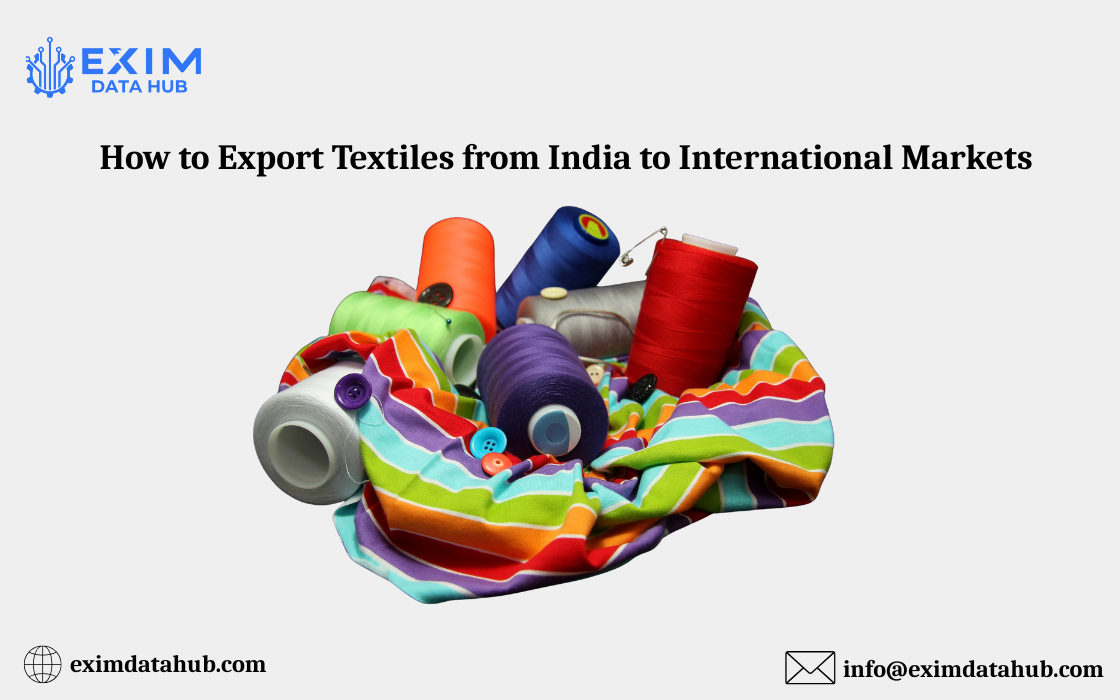
Explore the latest trends, market data, and export insights for Indian textile shipments worldwide. This guide highlights trade opportunities, key exporting countries, and essential HS code information to help businesses make informed export decisions.
Introduction
India’s textile sector has long been one of the strongest pillars of its exports. With the global fashion and apparel industry seeing continued growth, the demand for Indian textiles—especially cotton, synthetic blends, and traditional handloom—has been steadily rising in international markets like the USA, UAE, and EU.
According to TradeMap, India exported over $44 billion worth of textiles and apparel in the last fiscal year. This blog breaks down how to tap into the global textile trade, understand key market trends, and comply with international regulations. If you’re looking to begin your export journey, this guide is for you.
What is Indian Textile?
Textile exports from India include cotton fabrics, synthetic yarns, woolen items, handwoven goods, home furnishings, and readymade garments.
In the international market, Indian textiles are valued for:
- Rich craftsmanship and vibrant designs
- Cost-effectiveness and scalability
- Strong availability of raw material
From high-end boutiques in the U.S. to mass-market retailers in the Middle East, Indian-made textiles have carved a strong presence globally. The U.S., in particular, imports large volumes of cotton and ready-made garments due to India’s reputation for quality and cost competitiveness.
Key Market Trends in the U.S. & EU
| Market Driver | Description |
|---|---|
| Sustainable Fashion | Growing preference for eco-friendly and organic cotton apparel |
| E-commerce Growth | Surge in online orders driving demand for low-cost textile sourcing |
| Fashion Cycle Speed | Fast fashion brands demand quicker delivery cycles and product variety |
Chart 1: Top 5 Destinations for Indian Textile Exports (FY 2023)
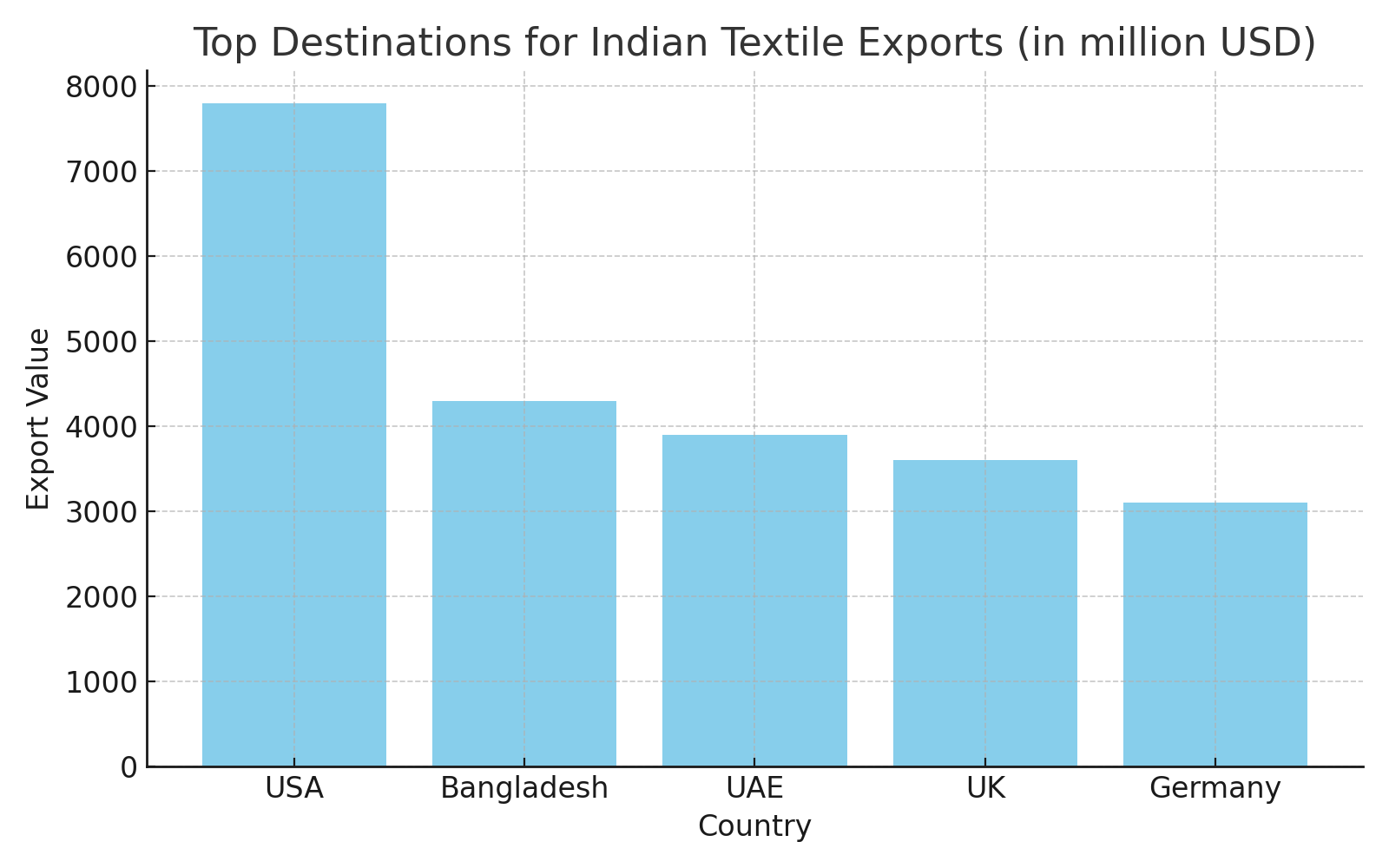
Chart 2: India’s Textile Export Growth (2020–2023)
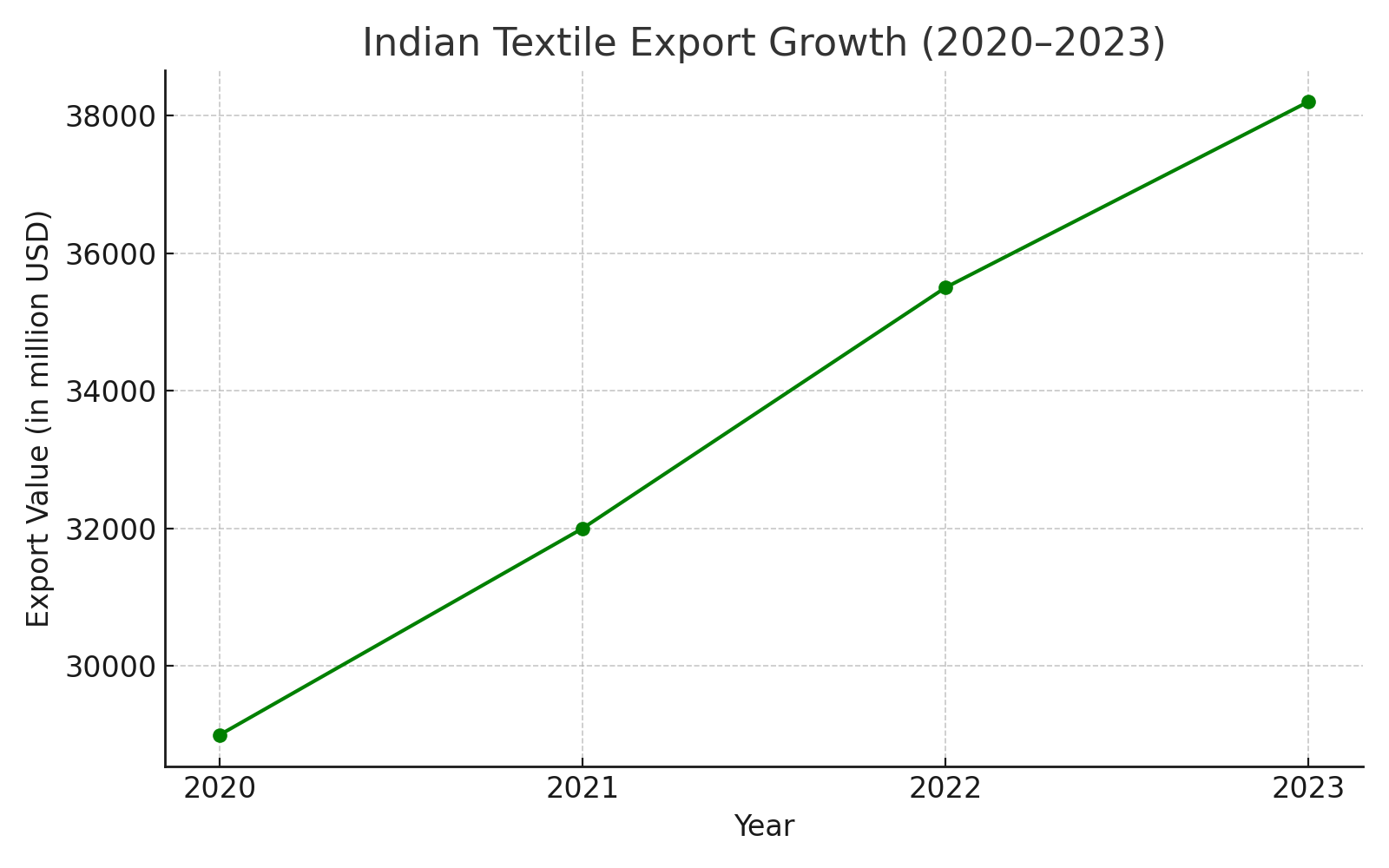
India’s textile exports to the U.S. alone reached $9.6 billion in 2023, with demand for natural cotton-based clothing up by over 12% year-over-year. European markets are showing a strong shift toward sustainably sourced fabrics, particularly from Indian exporters who hold OEKO-TEX or GOTS certifications.
Top Exporting Countries
| Country | Export Share (%) |
|---|---|
| India | 23% |
| China | 27% |
| Bangladesh | 13% |
| Vietnam | 10% |
| Turkey | 9% |
India remains among the top global exporters of textiles, second only to China. With a skilled labor force and strong government support (e.g. PLI scheme), India is expected to increase its global textile export share significantly in the coming years.
Opportunities for Exporters
- Tap into sustainable fashion markets with certified organic cotton
- Target rising demand in Africa and Latin America for home textiles
- Offer value-added products like embroidered or block-printed fabrics
- Leverage EximDataHubto access buyer trends and real-time HS code suggestions
HS Codes for Indian Textiles
Here are some widely used HS Codes under which Indian textile products are classified for export:
- 520839 – Woven cotton fabrics, printed
- 620520 – Men’s cotton shirts
- 540710 – Woven fabrics of synthetic filament yarn
Accurate HS Code classification is essential to avoid customs delays and ensure proper documentation. If you’re unsure which code to use, our team at Exim Data Hub can assist you with custom classifications based on real-time trade data.
How Exim Data Hub Helps Exporters
| Feature | Exporter Benefit |
|---|---|
| HS Code Intelligence | Suggests accurate codes based on your product type |
| Verified Buyers | Access to active importers in U.S., EU, UAE & more |
| Trade Forecast Reports | Plan pricing & shipping with up-to-date trend data |
Whether you’re new or scaling up, Exim Data Hub empowers exporters with tools to take confident steps into global markets.
Conclusion
The Indian textile industry is in a great position to serve global markets in 2024 and beyond. With strong export infrastructure, increasing global interest in sustainable fashion, and tools like Exim Data Hub available, entering the textile export business has never been easier.
- Focus on niche categories like organic cotton or embroidered home textiles
- Use reliable data to choose your market
- Ensure accurate HS classification and documentation
- Connect with global buyers through Exim Data Hub
Frequently Asked Questions (FAQ)
Q1: Do I need certification to export cotton apparel?
Yes. Most buyers in the U.S. and EU require certifications like GOTS, OEKO-TEX, or BSCI depending on your product type.
Q2: Which country is best for starting textile exports from India?
The U.S., UAE, and Germany are top destinations due to high-volume demand and open import policies.
Q3: How can I find verified buyers for home textiles?
Platforms like Exim Data Hub offer verified contacts, buyer behavior trends, and pricing forecasts.