Explore how smart exporters are using EXIM trade data to identify new international buyers. This guide walks you through the real techniques to grow exports using verified insights.
Introduction
Finding serious international buyers is often the biggest hurdle in export success. Traditional methods like trade fairs, directories, or cold outreach rarely lead to consistent deals. In 2025, the game has changed. Exporters are turning to EXIM data to find active buyers in real-time.
By analyzing global trade flows—who’s importing what, from where, and how often—you can identify verified buyers, tailor your pitch, and reduce wasted effort. This guide will help you do exactly that.
What is EXIM Data?
EXIM (Export-Import) data gives detailed information about the movement of goods between countries. It helps exporters understand trade dynamics, demand patterns, and potential buyers.
- Shipment records by product and value
- HS codes (product classification)
- Export/import volumes and countries
- Active buyer and seller names
By using platforms like Exim Data Hub, exporters can filter this data to discover real-time importers based on the product, region, and value.
Key Market Trends in Buyer Discovery
Trade data reveals strong demand in multiple sectors, especially for food, industrial goods, and eco-friendly products.
- Western countries are boosting imports of certified and traceable goods
- Smaller importers in Africa and Southeast Asia are rising fast
- Many mid-size buyers are replacing older supplier relationships
Let’s look at two helpful visuals:
Top Importing Countries (2024)
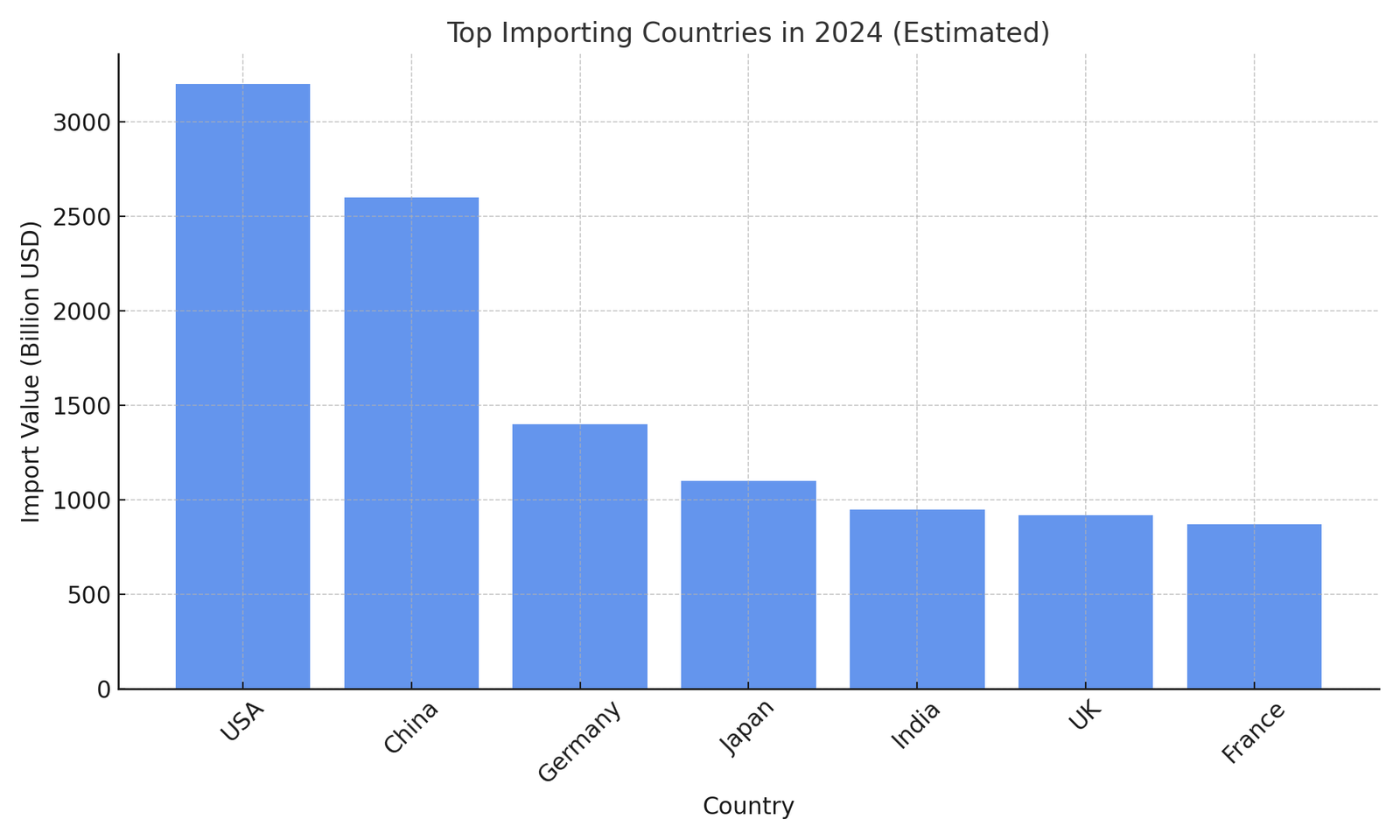
Countries like the USA, Germany, and India continue to dominate in global imports, but regions like Japan and Netherlands are seeing faster growth in niche categories.
How to Analyze Buyer Behavior
It’s not enough to just see who bought something. You must know how they buy.
- Do they buy monthly or seasonally?
- Are they increasing order value quarter by quarter?
- Are they loyal to one supplier or open to new ones?
When you observe a buyer increasing orders over time, that’s a growth opportunity. This is where EXIM data helps you strike at the right moment.
Using HS Codes to Target Right Markets
HS (Harmonized System) codes are used globally to classify products. If you’re not using the correct code, you’re missing the right buyers.
Some common examples:
- 090240 – Black tea (fermented and partly fermented)
- 100630 – Semi-milled rice
- 071331 – Dried kidney beans
To understand how HS codes are standardized, you can refer to the World Customs Organization. For accurate classification and data-backed buyer discovery, use Exim Data Hub.
How Exim Data Hub Supports Exporters
Verified Buyer Listings – Gain direct access to importers from specific countries who are actively purchasing products like yours. Smart Filters by HS Code – Search buyers based on product classification for highly targeted outreach.Shipment History Access – See past purchase patterns to understand buyer behavior and frequency.
Market Gap Insights – Identify regions or months with low competition but rising demand.
Conclusion
Finding new buyers in 2025 is no longer about attending expos or waiting for inbound leads. Exporters who act on data-driven insights are growing faster, landing better buyers, and expanding into newer markets.
- Don’t waste time on cold leads
- Use trade data to build trust and relevance
- Focus only on importers already interested in your product
Need help identifying your ideal buyers? Connect with Exim Data Hub and get started with real tools that bring real results.
Frequently Asked Questions (FAQ)
Q1: How accurate is EXIM data for finding buyers?
EXIM data reflects real shipments and is highly reliable. With filtering, it becomes a powerful lead tool.
Q2: Is this only for big exporters?
No, even small exporters use EXIM data to find first-time buyers, especially in niche or emerging markets.
Q3: Can I reach buyers directly from the data?
Yes. Some tools provide buyer emails or names, while others give leads you can follow up via LinkedIn or official websites.
Q4: Where can I verify HS codes?
You can check official HS structures at the World Customs Organization, or use Exim Data Hub for automated sorting and filtering.